Mastering Container Home Design: Key Principles for Sustainable Living
The allure of transforming humble steel boxes into breathtaking residences is undeniable. What began as a niche architectural curiosity has evolved into a global movement, offering a unique canvas for sustainable and stylish living. As we move towards more mindful consumption and eco-conscious choices, the shipping container home reveal has become a symbol of innovative design and a commitment to upcycled, sustainable building practices. Yet, achieving a successful and comfortable modular home design demands more than just creativity; it requires a thoughtful mastery of core principles that balance industrial grit with residential grace.
The Allure of Shipping Container Homes: A Sustainable Canvas
Shipping containers, once mere vessels of global trade, are now being reimagined as a foundational element for homes that are as aesthetically striking as they are environmentally responsible. Their inherent strength, modularity, and availability make them an attractive option for those looking to build quickly, cost-effectively, and with a reduced carbon footprint. By repurposing these steel giants, designers contribute significantly to waste reduction, embodying a philosophy where industrial remnants find new life as a beacon of modern, green living. The true beauty of a container home lies not just in its sustainable origins, but in its surprising versatility, allowing for everything from minimalist retreats to grand, multi-story family dwellings.
However, this transformation from a simple steel box to a livable, luxurious space is a nuanced process. It’s a dance between leveraging the container's robust structure and mitigating its inherent challenges. The most captivating container house designs are those that expertly navigate these complexities, turning potential drawbacks into unique design opportunities that culminate in an extraordinary shipping container home reveal.
Core Design Principles for a Successful Shipping Container Home Reveal
Success in shipping container architecture extends far beyond merely aesthetics. Creating a comfortable, durable, and energy-efficient home requires a deep understanding of the unique properties of steel containers. Before embarking on your own dream container home journey, consider these foundational principles:
Navigating the Unique Footprint: Layouts and Openness
The long, narrow shape of a standard shipping container (typically 8 feet wide) presents both a challenge and an opportunity. Without careful planning, interiors can feel tunnel-like. Therefore, creativity in layout is paramount. To avoid this cramped sensation, consider:
- Combining Containers: Merging two or more containers side-by-side or end-to-end allows for wider, more conventional room dimensions, facilitating expansive living areas and kitchens.
- Open-Concept Floor Plans: Within a single container, intelligent open-concept designs can maximize perceived space. Think minimal interior walls, shared spaces, and clear sightlines.
- Vertical Expansion: Stacking containers opens up possibilities for multi-level living, transforming the narrow footprint into a spacious vertical dwelling.
Remember that the steel walls offer unique interior design challenges. Embracing the industrial aesthetic with exposed steel can be striking, but integrating warmth through materials like wood paneling or clever use of textiles will prevent the space from feeling cold or impersonal.
Climate Control is King: Insulation and Weatherproofing
Steel is an excellent conductor of heat and cold, making high-performance insulation the single most crucial factor for comfort and energy efficiency in a container home. Without proper insulation, your home will be sweltering in summer and freezing in winter, leading to exorbitant energy bills. Moreover, inadequate insulation and weatherproofing can lead to interior condensation, which is a precursor to rust and a major threat to the container's structural integrity over time.
When planning, investigate options like:
- Spray Foam Insulation: Applied directly to the interior walls, it creates a seamless, high-R-value thermal barrier that also acts as a vapor barrier.
- Rigid Foam Panels: These can be cut to fit between furring strips, offering good insulation value.
- Batt Insulation: More traditional, but requires a robust vapor barrier and careful installation to prevent moisture issues.
Pairing insulation with proper ventilation and a robust exterior weather barrier is non-negotiable for a truly durable and comfortable home.
Maximizing Natural Light and Views
The original shipping container offers no windows, making the strategic addition of natural light sources vital for creating an inviting living space. Large windows, glass doors, and even skylights are essential for brightening interiors and connecting residents with the outside world. However, every cut into the steel container requires careful structural reinforcement to maintain its integrity. Consulting with a structural engineer is critical to ensure that openings are properly framed and supported, preventing any compromise to the container's inherent strength. Strategic placement can also harness passive solar gain, further enhancing energy efficiency.
Softening the Edges: Exterior Cladding and Aesthetic Appeal
While the raw, industrial look of an exposed shipping container is iconic and appealing to many, cladding the exterior offers significant benefits. Materials like wood, composite panels, stucco, or even stone can:
- Soften the Aesthetic: Transform the stark industrial look into something warmer, more organic, and seamlessly integrated into its natural surroundings.
- Add Personality: Allows for a vast range of design styles, from rustic to ultra-modern, making your container home uniquely yours.
- Provide Extra Thermal Protection: An additional layer of cladding acts as a secondary thermal buffer, further enhancing insulation and weather resistance.
This design choice is often one of the most impactful elements in the final home design and the overall shipping container home reveal.
Foundation and Regulations: The Groundwork for Your Dream
Before any design work begins, thorough research into local zoning laws, building codes, and permit requirements is absolutely essential. These regulations will dictate everything from allowable building size and setbacks to specific construction standards. Simultaneously, understanding the common foundation types suitable for your land – whether it's a pier foundation, concrete slab, or strip foundation – will significantly impact your entire build process and budget. Professional consultation with local authorities and experienced contractors early in the planning stage can save immense time, money, and headaches down the line.
Elevating Design: Advanced Container Architecture Concepts
Beyond the fundamental principles, truly exceptional container homes leverage creative configurations to achieve grander scales, dynamic aesthetics, and optimized functionality.
The Power of Stacking and Multi-Level Living
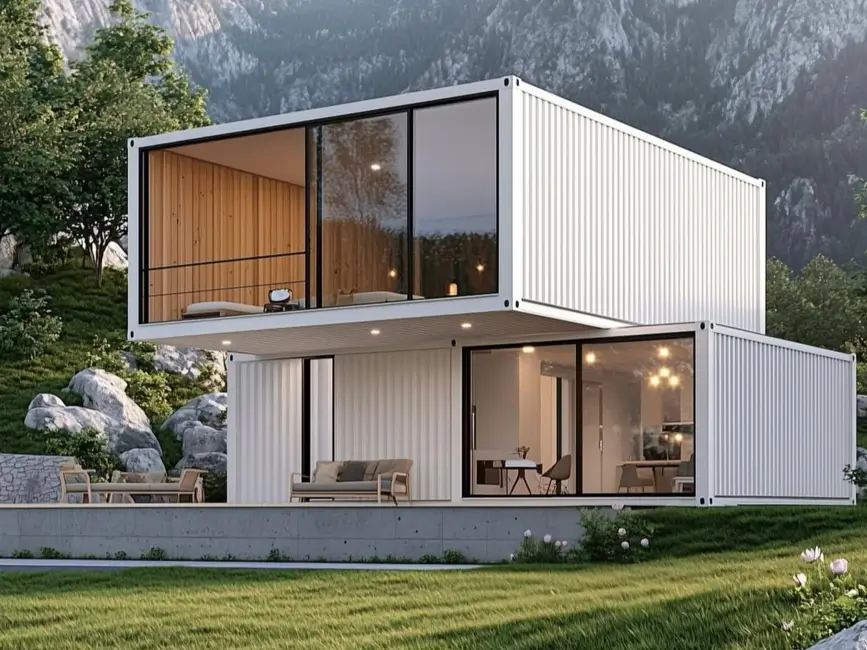
Stacking multiple containers allows for a grander scale and provides opportunities for dramatic architectural statements. Imagine a design that utilizes a central, two-story glass atrium to connect separate modules, flooding the interior with natural light and creating a stunning focal point. This approach not only maximizes vertical space but also offers expansive views. Warm wood accents on balcony ceilings or interior finishes can beautifully contrast with the modern industrial exterior, adding essential warmth and texture to the space.
Dynamic Visual Interest Through Staggered Placement
Staggering the placement of containers, rather than simply aligning them, creates significant visual interest and opens up possibilities for functional outdoor spaces. This could manifest as an expansive rooftop terrace with a slatted wood covering, providing a perfect spot for outdoor living while maintaining an open, airy feel on the second story. These deliberate offsets break up the rigid boxy form, adding dynamism and character, and can even create natural shading or sheltered areas below.
The Striking Statement of Cantilevered Structures
A cantilevered second story offers a truly striking visual statement, appearing to defy gravity as it extends beyond the footprint of the lower level. This architectural flourish isn't just for show; it offers practical benefits such as creating shaded outdoor spaces below and enhancing views from the upper level. A prime example of this innovative approach is the renowned Grillagh Water House: Iconic Cantilevered Shipping Container Architecture. Designed by architect Patrick Bradley, this Northern Ireland masterpiece showcases how a cantilevered upper level, motivated by Frank Lloyd Wright's 'Fallingwater', can become a sculptural element within the landscape, with steel fins strategically minimizing sun shading inside. This technique allows for the creation of distinct zones – perhaps a private, hidden space on the lower level and an incredible lounge with panoramic views on the upper, projecting floor.
Your Journey to a Unique Shipping Container Home Reveal
The journey from an initial concept to a stunning shipping container home reveal is an exciting one, blending the art of design with the science of construction. It's a testament to human ingenuity, transforming industrial objects into intimate, functional spaces. By adhering to core design principles and embracing advanced architectural concepts, you can unlock the full potential of this unconventional material, creating a home that is not only sustainable and efficient but also deeply personal and inspiring. For further inspiration and practical solutions, explore how to Unlock Your Dream Container Home: Essential Design Ideas & Solutions, transforming your vision into a remarkable reality.
The transformation of a steel box into a cherished home is a rewarding endeavor. It's an opportunity to create a dwelling that reflects your values, pushes architectural boundaries, and stands as a testament to sustainable living. With careful planning, creative vision, and an understanding of these key principles, your own shipping container home reveal can be a source of immense pride and an inspiring example of modern, eco-conscious design.
